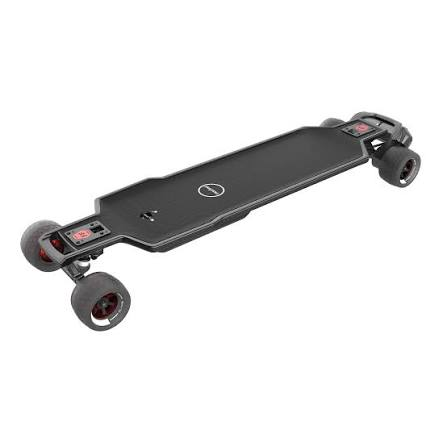
An electric skateboard is a modern personal transportation option that combines the familiar feel of skateboarding with the convenience of electric power. Instead of relying entirely on physical pushing, riders can use a rechargeable battery and electric motor to move across suitable roads, paths, campuses, and recreational areas. With improvements in battery technology, motor performance, deck construction, and electronic controls, the electric skateboard has become an increasingly interesting choice for commuting and leisure.
Unlike a traditional skateboard, an electric skateboard allows the rider to control acceleration and braking through a wireless remote. This makes riding less physically demanding and can be especially useful for people who want to cover short distances without using a car or other larger transportation options. Depending on its design, an electric skateboard can provide a combination of speed, range, portability, and comfortable handling.
The market now includes compact electric boards for beginners, long-range electric skateboards for commuters, and high-performance models for experienced riders. Understanding the main characteristics of these boards can help consumers choose an option that matches their needs.
Electric Skateboard Design and Important Features
The construction of anelectric skateboard includes several components that work together to provide controlled electric movement. The rechargeable battery stores energy, while the motor converts that energy into movement. An electronic speed controller manages power delivery, and a wireless remote allows the rider to accelerate, slow down, and stop.
The deck has a major influence on stability and comfort. Some electric skateboard decks are flexible, allowing them to absorb small vibrations from the road. Other boards use stiffer decks that can provide a more stable platform, especially at higher speeds. Deck width and length also affect the rider's stance, balance, and overall control.
Electric skateboard motors are commonly found in hub motor and belt-drive configurations. Hub motors are positioned within the wheels, creating a relatively simple and clean design. They can be quiet and require fewer externally moving parts. Belt-driven motors use belts and pulleys to transfer power to the wheels and can provide strong acceleration and responsive performance.
The battery is another essential component. Electric skateboard battery capacity influences potential riding range, charging frequency, and overall board weight. A larger battery may support longer trips, but actual range depends on speed, rider weight, terrain, temperature, hills, and riding style. Frequent acceleration can also consume more energy.
Wheels contribute significantly to ride quality. Larger wheels can handle small cracks, rough pavement, and minor obstacles more effectively than very small wheels. Softer wheels can provide additional comfort by reducing road vibration, while harder wheels may offer a more responsive feel on smooth surfaces.
Modern electric skateboard models can also include features such as regenerative braking, LED lights, adjustable riding modes, battery indicators, and smartphone applications. These features can improve convenience and give riders greater control over their board.
Electric Skateboard Performance and Riding Experience
The performance of an electric skateboard depends on the interaction between its motor, battery, wheels, deck, trucks, and electronic control system. A powerful motor can provide stronger acceleration and better performance on hills, while an efficient battery system can help extend the distance between charges.
Electric skateboard range is particularly important for commuters. A rider traveling to work, college, or nearby locations may want enough battery capacity to complete the journey comfortably. However, advertised range should not always be treated as a guaranteed real-world distance. Riding at high speeds, traveling uphill, carrying additional weight, and frequently accelerating can reduce the available range.
Speed is another attractive feature, but maximum speed should not be the only consideration when selecting an electric board. Stable handling and dependable braking are equally important. A board that offers a balanced combination of speed, control, and comfort can provide a better riding experience than one focused only on high performance.
The trucks play an important role in handling. They connect the wheels to the deck and influence turning, carving, and stability. A well-designed truck system allows riders to make controlled turns while maintaining balance. This becomes particularly important when riding around corners or navigating changing road conditions.
Portability is another advantage of electric skateboards. Compared with cars, bicycles, and many larger electric vehicles, an electric skateboard is relatively compact and can be stored in a small space. However, the battery and motor make an electric board heavier than a traditional skateboard. Riders who regularly carry their board should therefore pay attention to its overall weight.
Comfort depends on both the board and the riding environment. Smooth pavement can provide an enjoyable ride, while rough roads may require larger wheels and a deck capable of absorbing vibrations. Choosing an electric skateboard according to the surfaces where it will be used can improve both comfort and control.
Choosing an Electric Skateboard for Daily Use
Selecting the right electric skateboard begins with understanding its intended purpose. A casual rider may want a lightweight board with comfortable handling and moderate performance. A commuter may prioritize battery range, durability, charging convenience, braking performance, and portability.
Motor power should also match the riding environment. People who regularly encounter hills may benefit from a stronger motor, while riders traveling mostly on flat roads may prefer an efficient setup that balances power and battery range.
Build quality is another important consideration. The deck, trucks, wheels, motors, battery enclosure, controller, and charging system should all be constructed to support regular use. A durable electric skateboard can provide greater confidence for riders who plan to use it frequently.
Battery care is equally important for long-term performance. Riders should use the manufacturer's recommended charger and follow the specified charging procedures. The board should be stored in a suitable environment and protected from excessive heat, moisture, and physical damage. Good battery habits can help preserve capacity over time.
New riders should also take time to learn the board before attempting higher speeds. Practicing acceleration, braking, turning, and stopping in an open area can help develop better control. A properly fitted helmet is strongly recommended, particularly for beginners and riders traveling at faster speeds.
Local regulations should also be checked before using an electric skateboard in public areas. Rules regarding sidewalks, roads, bike lanes, speed limits, helmets, and permitted riding areas can differ significantly between locations.
Conclusion: Is an Electric Skateboard Worth Considering?
An electric skateboard offers a convenient combination of modern technology, portability, entertainment, and personal mobility. Its electric motor reduces the physical effort required for movement, while rechargeable batteries allow riders to travel useful distances without relying on traditional transportation for every short journey.
The ideal electric skateboard depends on individual requirements rather than simply its maximum speed. Battery range, motor configuration, deck design, wheel size, weight, braking performance, durability, and riding environment all deserve attention before choosing a model. Beginners may prefer stability and simple controls, while experienced riders may look for stronger acceleration, longer range, and advanced performance.