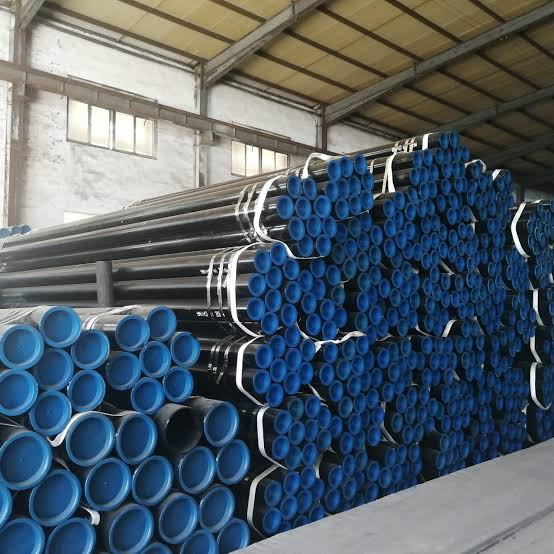
Steel pipes are an essential part of modern construction, manufacturing, infrastructure, energy, transportation, and industrial development. Their strength, durability, flexibility, and wide range of applications make them one of the most commonly used metal products across global industries. However, the performance of a steel piping system depends heavily on the quality of the materials selected. This makes choosing the right steel pipe manufacturer an important decision for contractors, engineers, manufacturers, and industrial buyers.
A professional steel pipe manufacturer can produce different pipe types, grades, sizes, thicknesses, and finishes for specific applications. Depending on project requirements, customers may need seamless steel pipes, welded steel pipes, carbon steel pipes, stainless steel pipes, or specialized industrial tubing. Understanding the differences between these products and selecting suitable specifications can help businesses achieve reliable performance and long-term value.
Steel Pipe Manufacturer and Product Quality
A dependablesteel pipe manufacturerfocuses on producing pipes that meet established technical specifications and quality requirements. Steel pipes are not identical, and their performance can vary depending on chemical composition, manufacturing method, dimensions, mechanical properties, and surface treatment.
Seamless steel pipes are produced without a welded seam and are commonly considered for applications where pressure resistance and structural reliability are important. They can be used in industrial equipment, energy systems, mechanical applications, and demanding engineering environments. Welded steel pipes are produced by forming steel sheets or coils and joining the edges through a controlled welding process. These pipes are widely used in construction, infrastructure, water transportation, structural applications, and general industrial systems.
Pipe dimensions are another important consideration. Outer diameter, wall thickness, length, dimensional tolerance, and surface condition can affect installation and overall performance. Accurate dimensions allow steel pipes to connect properly with fittings, valves, machinery, and other components. For large projects, consistency across thousands of individual pipes can be particularly important.
Material grade also influences performance. Carbon steel is widely used because of its strength and cost efficiency, while stainless steel is often selected for environments where corrosion resistance is important. Alloy steel can provide specialized characteristics for applications involving higher temperatures, pressure, or mechanical stress.
Quality control is therefore an important part of steel pipe production. A professional manufacturer may conduct inspections related to dimensions, surface condition, chemical composition, mechanical properties, welding quality, and other technical requirements. Consistent manufacturing helps reduce the possibility of defects and supports more predictable performance during fabrication and installation.
Steel Pipe Manufacturer for Industrial Applications
The demand for steel pipes exists across numerous industries. Construction companies use steel pipe products in structural frameworks, support systems, commercial buildings, warehouses, bridges, and infrastructure projects. Their strength and versatility make them suitable for projects that require durable structural materials.
The energy industry also relies heavily on steel pipe products. Oil and gas applications can require pipes capable of handling pressure, temperature changes, mechanical loads, and challenging environmental conditions. Selecting the correct material grade and pipe specification is important for maintaining reliable operation over long periods.
Water and infrastructure projects are another major area of application. Steel pipes can be used for water transportation, industrial water systems, drainage infrastructure, and large pipeline networks. Depending on environmental exposure, protective coatings or specialized materials may be required to improve corrosion resistance.
Manufacturing and engineering companies also use steel tubes and pipes for machinery, equipment, automotive components, agricultural systems, heat-transfer applications, and fabricated structures. Their ability to be cut, welded, bent, and machined makes steel pipes highly adaptable to different production requirements.
Customers searching for a steel pipe manufacturer may also encounter related terms such as steel pipe supplier, steel tube manufacturer, seamless steel pipe manufacturer, welded steel pipe supplier, carbon steel pipe supplier, stainless steel pipe manufacturer, industrial steel pipe supplier, and custom steel pipe manufacturer. These terms reflect different product categories and purchasing requirements within the steel industry.
Choosing a Steel Pipe Manufacturer
Selecting the right steel pipe manufacturer involves more than comparing product prices. Buyers should consider manufacturing quality, product consistency, technical specifications, certifications, production capacity, customization capabilities, and delivery reliability. A supplier that understands the customer's application can help identify appropriate materials and specifications.
Technical documentation can be especially important for industrial and construction projects. Buyers may require material test certificates, inspection reports, product specifications, and information about applicable standards. These documents can help confirm that the supplied pipes meet the requirements established for the project.
Customization is another factor that can provide value. Different projects may require specific pipe diameters, wall thicknesses, lengths, surface finishes, coatings, or packaging requirements. A capable steel pipe manufacturer may offer customized production or processing services to help customers receive products that are closer to their exact requirements.
Production capacity can also affect purchasing decisions. Large construction and industrial projects may require significant quantities of steel pipe within a specific timeframe. A manufacturer with suitable production capabilities and organized logistics can help maintain a consistent supply and reduce the risk of project delays.
Delivery and packaging are equally important. Steel pipes are heavy products that require proper handling and transportation. Appropriate packaging and logistics planning can reduce the risk of damage during shipment and help ensure that materials arrive in suitable condition.
Price should always be considered alongside quality and overall value. The lowest-cost product may not be the most economical choice if it creates fabrication difficulties, material waste, premature replacement, or additional maintenance expenses. Consistent steel quality can contribute to smoother production and better long-term project performance.
Conclusion
A reliable steel pipe manufacturer plays an important role in supplying materials for construction, manufacturing, infrastructure, energy, transportation, and industrial applications. Steel pipes are available in numerous grades, sizes, manufacturing types, and finishes, making it essential to select products according to the specific requirements of each project.
When evaluating a steel pipe manufacturer, customers should consider product quality, material specifications, manufacturing standards, inspection procedures, technical documentation, customization options, production capacity, and delivery reliability. Whether the requirement involves seamless steel pipes, welded steel pipes, carbon steel pipes, stainless steel pipes, or specialized industrial tubing, the correct manufacturer can provide materials that support dependable performance.