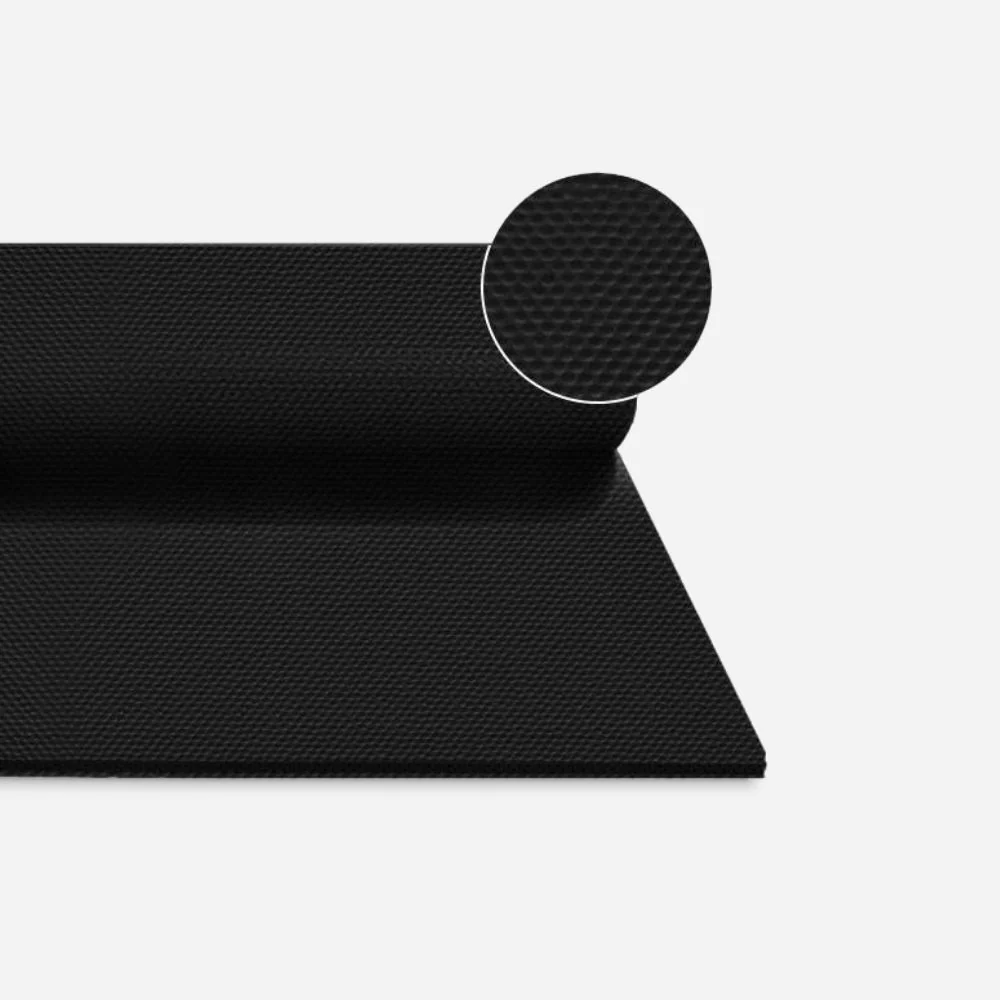
A treadmill mat is a practical fitness accessory that can protect flooring while making a home workout area cleaner, more stable, and easier to maintain. A treadmill may look secure when placed directly on the floor, but its heavy frame, repeated movement, vibration, and daily use can gradually affect the surface underneath. Adding a suitable mat creates a protective layer between the exercise equipment and the floor while providing additional support for the treadmill.
Home treadmills are commonly placed on hardwood, laminate, tile, vinyl, concrete, and carpet. Each flooring material has different characteristics, but all can benefit from protection when heavy fitness equipment remains in one position for long periods. A treadmill floor mat can help reduce scratches, scuffs, pressure marks, dust buildup, and other signs of wear.
A quality treadmill mat for home use can also contribute to a more organized workout environment. It defines the space occupied by the treadmill and provides a surface that can be cleaned more easily than the floor underneath. For people who exercise regularly, this simple accessory can become an important part of maintaining both their equipment and workout area.
Treadmill Mat Benefits for Home Fitness
The most obvious benefit of atreadmill matis floor protection. Treadmills can be heavy, and their weight is concentrated around several small contact points. When a person walks or runs on the machine, additional movement and pressure are created. Over time, this combination may leave marks or damage certain flooring surfaces.
A treadmill mat for hardwood floors can be especially useful because hardwood can be vulnerable to scratches and surface marks. Dirt trapped beneath treadmill feet can also create friction against the flooring. A protective mat provides a barrier that helps separate the equipment from the floor and reduces direct contact.
Carpeted rooms present a different challenge. A treadmill placed directly on soft carpet may compress the fibers underneath the equipment. The machine can also feel less stable depending on the thickness and softness of the carpet. A suitable treadmill mat for carpet can provide a firmer surface while helping protect the carpet from pressure and wear.
Vibration control is another useful advantage. Every treadmill produces some vibration as the motor operates and the belt moves. Footsteps can add further movement, especially during faster walking or running. A durable exercise equipment mat can absorb part of this vibration and help reduce the amount transferred to the floor.
Noise is also relevant for people living in apartments or shared homes. A treadmill mat for apartment use cannot completely eliminate the sound of a treadmill, but it may help reduce vibration-related noise. This can make a home workout area more comfortable for the user and people nearby.
Another advantage is easier cleaning. Exercise naturally produces sweat, dust, and debris around the treadmill. With a protective mat underneath the machine, the surrounding area can be cleaned more conveniently. A mat can be wiped down separately, helping maintain a cleaner and more hygienic fitness space.
Choosing the Right Treadmill Mat Size and Material
Selecting the appropriate treadmill mat size is important for effective floor protection. The mat should be large enough to support the treadmill without leaving important contact areas exposed. Measuring the treadmill before purchasing can help ensure that the equipment fits comfortably on the mat.
A slightly larger mat can provide additional protection around the treadmill. Extra coverage can catch dust and sweat while creating a defined area for the machine. However, the mat should not extend so far into walkways that it creates an unnecessary obstruction.
Material is another major consideration. A rubber treadmill mat is widely used because rubber is durable, flexible, and resistant to regular wear. It can provide cushioning beneath heavy exercise equipment and may help absorb some vibration.
PVC is another common material for treadmill mats. A PVC treadmill mat can be lightweight, easy to clean, and suitable for many home fitness environments. The best material depends on the flooring, treadmill weight, available space, and personal preferences.
Thickness should also be considered carefully. A thicker mat can offer additional cushioning and vibration absorption, but greater thickness does not automatically mean better performance. The mat needs to remain stable enough to support the treadmill without creating an uneven or overly soft foundation.
Floor type should influence the decision as well. A treadmill placed on concrete may require different characteristics from one placed on hardwood. Users with carpet may prioritize firmness, while those with delicate flooring may place greater importance on surface protection.
A non-slip treadmill mat can also be useful for improving stability. A good mat should remain flat and should not slide easily during normal use. It is important to position the mat on a clean, level surface and ensure that there are no folds, wrinkles, or curled edges underneath the equipment.
Treadmill Mat Maintenance and Long-Term Performance
Regular maintenance can help a treadmill floor mat remain useful for a longer period. Dust and debris can collect around the edges and underneath the treadmill, while sweat and moisture may accumulate during frequent workouts. Cleaning the mat regularly can prevent buildup and help maintain a cleaner exercise environment.
Most rubber and PVC mats can be cleaned with a damp cloth and a mild cleaning solution. The exact cleaning method should depend on the manufacturer's recommendations. Strong chemicals should be avoided unless they are specifically approved for the material because they may cause discoloration or surface damage.
Checking the area underneath the treadmill from time to time can also be beneficial. When it is safe to move the equipment according to the manufacturer's instructions, inspecting the mat and flooring can reveal trapped moisture, accumulated dirt, or signs of excessive wear.
The treadmill itself should also be maintained properly. A mat is designed to protect the floor and help manage vibration, but it cannot fix mechanical problems. If a treadmill begins moving excessively, producing unusual noise, or vibrating more than normal, its belt, feet, and other components should be checked according to the manufacturer's maintenance guidance.
For regular home treadmill users, combining equipment maintenance with a quality protective mat can create a more reliable and organized workout space. Proper placement is equally important because even the best mat cannot provide its full benefits if it is folded, damaged, or positioned unevenly.
Conclusion
A treadmill mat is a simple investment that can provide valuable protection for both flooring and exercise equipment. It can help reduce scratches, pressure marks, dirt, and wear on hardwood, carpet, laminate, tile, vinyl, and concrete surfaces. It may also help manage vibration, simplify cleaning, and create a more organized home gym.
Choosing the right treadmill mat for home use depends on the treadmill's dimensions, flooring type, material preferences, thickness requirements, and available space. Rubber and PVC options can provide durable performance, while an appropriately sized non-slip design can offer additional stability.