In an automotive world increasingly shaped by advanced engineering, digital technology, and changing driver expectations, via ce lienstands out as a distinctive keyword connected to the broader conversation around vehicle performance. Modern car enthusiasts are no longer interested only in horsepower and maximum speed. They also care about acceleration, handling, braking, fuel efficiency, reliability, comfort, diagnostics, and intelligent vehicle systems.
The growing interest in automotive performance has created a large ecosystem of technologies and services. Engine tuning, ECU optimization, performance exhaust systems, upgraded suspension components, high-performance tires, brake improvements, automotive diagnostics, and preventative maintenance all contribute to the overall driving experience. The term autoperformance60 can therefore be explored alongside these related automotive performance topics to understand the changing relationship between vehicles, technology, and drivers.
Whether someone owns a performance car, a family vehicle, a sports sedan, or a modern hybrid, understanding the fundamentals of vehicle performance can help with better maintenance and more informed upgrade decisions. A balanced approach focuses not only on increasing power but also on ensuring that the entire vehicle can safely and reliably handle its performance characteristics.
Autoperformance60 in Modern Automotive Performance
The concept surrounding autoperformance60 fits naturally into the wider automotive performance industry. Vehicle performance is determined by the interaction between the engine, transmission, drivetrain, suspension, tires, brakes, steering, aerodynamics, cooling system, and electronic controls. Improving one component without considering the others may not always deliver the desired result.
Engine performance is one of the most popular areas of automotive interest. Modern engines use sophisticated technologies such as turbochargers, direct fuel injection, variable valve timing, electronic throttle control, and computerized engine management. These systems allow manufacturers to balance power, efficiency, emissions, and reliability.
ECU tuning is another major subject associated with performance vehicles. An engine control unit manages numerous operating parameters, and professional calibration can alter the way an engine delivers power. Performance tuning may improve throttle response or power delivery when performed correctly, but it must remain compatible with the engine's mechanical condition, fuel requirements, cooling capacity, and manufacturer specifications.
Air intake and exhaust systems also receive significant attention from enthusiasts. An engine requires an appropriate flow of air for combustion, while exhaust components are responsible for efficiently managing combustion gases. Performance air filters, intake systems, headers, catalytic components, and exhaust systems can influence engine characteristics depending on the vehicle and configuration.
Transmission performance is equally important. The transmission determines how engine power reaches the wheels, while gear ratios influence acceleration and cruising behavior. A well-maintained transmission, clutch, differential, and drivetrain allows the available engine power to be delivered more effectively.
Autoperformance60 and Performance Upgrades
For people researching autoperformance60, automotive upgrades extend far beyond engine modifications. Suspension, braking, wheels, tires, and steering have a major influence on the overall driving experience.
A properly designed suspension system helps a vehicle maintain stability while responding to steering inputs and changing road surfaces. Performance suspension components can improve handling and cornering characteristics, but the ideal setup depends on the vehicle's intended use. A daily driver generally requires a different balance between comfort and handling compared with a vehicle designed specifically for controlled performance driving.
Tires are particularly important because they provide the physical connection between the vehicle and the road. High-performance tires can improve grip, steering response, cornering stability, and braking performance. Tire selection should take into account road conditions, weather, vehicle specifications, load ratings, speed ratings, and driving habits.
Braking systems are another essential part of vehicle performance. Increased acceleration should always be considered alongside stopping capability. Brake pads, rotors, calipers, brake fluid, and related components must be maintained appropriately. Performance-oriented brake upgrades can provide improved consistency under demanding conditions when correctly matched to the vehicle.
Wheel alignment can also affect handling and tire wear. Incorrect alignment may reduce stability and cause uneven tire degradation. For enthusiasts exploring autoperformance60 and related automotive optimization topics, alignment, tire pressure, suspension condition, and brake inspection are practical areas that should not be overlooked.
Weight and aerodynamics can further influence performance. Reducing unnecessary vehicle weight can affect acceleration, braking, and handling, while aerodynamic design can influence stability and efficiency. However, modifications should be evaluated as part of the complete vehicle rather than in isolation.
Autoperformance60, Maintenance and Technology
Reliable performance begins with proper vehicle maintenance. Even the most advanced performance components cannot compensate for an engine, transmission, braking system, or cooling system that has been neglected.
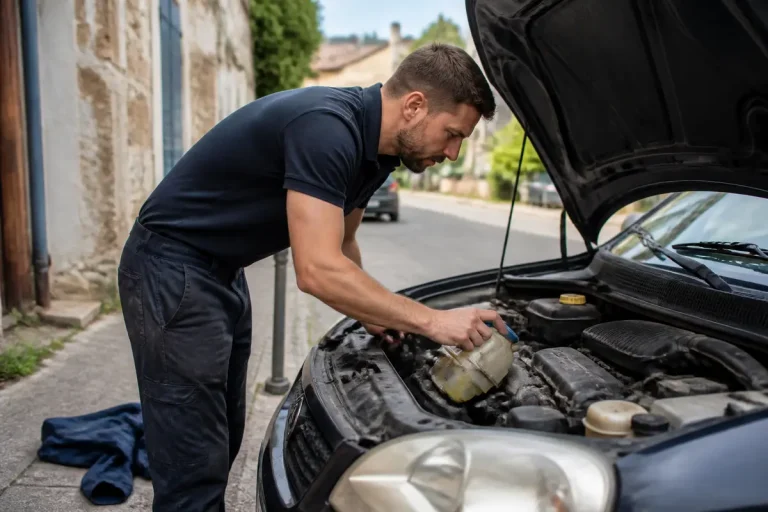
The autoperformance60 topic can therefore be connected with preventative automotive maintenance. Regular oil changes, fluid inspections, filter replacement, brake checks, tire maintenance, coolant inspection, and scheduled servicing can help preserve vehicle performance. Maintaining a vehicle before problems become severe can also reduce the likelihood of expensive repairs.
Automotive diagnostics have become increasingly sophisticated. Modern vehicles contain numerous sensors and electronic control modules that monitor engine operation, emissions, transmission behavior, traction, stability, and other systems. Diagnostic scanning equipment can help technicians identify fault codes and investigate problems more efficiently.
Cooling technology is particularly important for performance applications. Engines produce substantial heat, and demanding driving conditions can increase thermal stress. Radiators, coolant, thermostats, fans, hoses, and other cooling components must operate correctly to maintain appropriate temperatures.
Modern automotive technology is also changing the meaning of performance. Hybrid vehicles combine internal combustion engines with electric motors, while fully electric vehicles rely on batteries, power electronics, electric motors, and sophisticated software. Electric powertrains can provide rapid torque delivery, creating a different performance experience from conventional engines.
Software-based vehicle controls are becoming increasingly important as well. Electronic stability control, traction management, adaptive suspension, transmission control, and energy management systems can influence how a vehicle responds to different driving conditions. As vehicles become more connected, automotive performance is increasingly influenced by both mechanical engineering and digital systems.
Conclusion
Autoperformance60 can be viewed within the larger landscape of modern automotive performance, where engine technology, ECU tuning, suspension systems, braking components, tires, diagnostics, maintenance, and digital vehicle controls all contribute to the driving experience. Performance is no longer simply a measurement of engine power. It represents the combined ability of a vehicle to accelerate, corner, stop, remain stable, operate efficiently, and deliver dependable performance.
For automotive enthusiasts, understanding the relationship between different vehicle systems is essential when considering upgrades or maintenance. A powerful engine needs suitable transmission, cooling, tires, suspension, and brakes to create a balanced vehicle. Similarly, modern hybrid and electric vehicles require an understanding of batteries, electric motors, thermal management, and software-controlled systems.