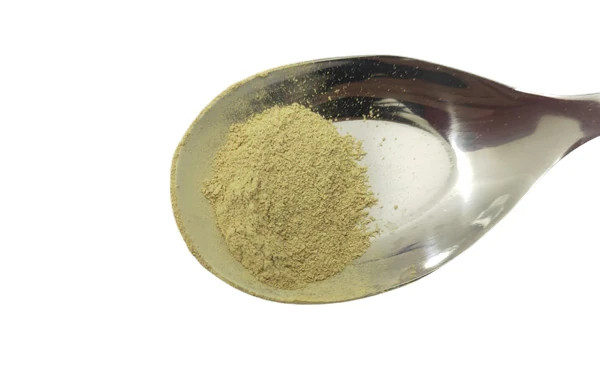
In the competitive landscape of nutraceutical and cosmetic ingredients, securing a reliable, high-quality supply chain is paramount. For businesses formulating advanced dietary supplements or cutting-edge skincare, 98% Apigenin has emerged as a compound of significant interest. China, as a major hub for botanical extraction, hosts a dense network of suppliers for this specific ingredient. However, moving beyond the surface-level search to understand the nuances of sourcing this specific purity grade is what separates a successful product launch from a logistical headache.
Understanding the 98% Specification
When a supplier lists "Apigenin 98%," they are referring to the concentration of the active flavonoid in the final powder. This is typically verified through High-Performance Liquid Chromatography (HPLC) . This level of purity is considered high-grade and is generally required for precise dosing in supplements and functional foods .
The sourcing landscape reveals that this 98% concentration is not always derived from the same plant source. While Chamomile is a well-known natural source, many suppliers also derive high-purity Apigenin from celery or parsley . This distinction matters for branding, cost, and even the minor compounds that might accompany the extract .
The Chinese Supplier Landscape
Navigating the B2B platforms for Chinese suppliers of Apigenin 98% yields a wide spectrum of companies, from large-scale manufacturers to specialized biotech firms.
Manufacturing Capabilities Suppliers like Shaanxi Yuantai Biological Technology (YTBIO) and Botanical Cube emphasize their production capacities, often showcasing GMP-standard workshops and large-scale extraction lines . These manufacturers often hold a portfolio of certifications, including ISO, HALAL, KOSHER, and HACCP, which are critical for exporting to regulated markets like the US and EU .
Some suppliers, such as Hongda Phytochemistry, differentiate themselves through processing technology, using ultra-micro pulverization to improve bioavailability—a key selling point for formulators concerned with absorption .
Minimum Order Quantities (MOQ) and Price A key factor for buyers is the MOQ. This varies significantly:
High MOQs (25 kg): Many manufacturers, particularly those focused on B2B bulk sales, set their MOQ at 25 kg, which typically comes in fiber drums .
Lower MOQs (1 kg): Other suppliers offer more flexibility with MOQs as low as 1 kg . This is often suitable for R&D, startups, or companies with smaller production runs.
Pricing is influenced by source (chamomile-derived vs. celery-derived) and purity . While specific pricing varies by order size, it is generally understood that the 98% concentration is a premium product, and prices are often negotiable based on volume .
Operational Considerations
Certifications and Documentation A professional supplier will readily provide a Certificate of Analysis (COA) and specify testing methods (often HPLC) . Certifications like USDA Organic, EU Organic, or cGMP are often highlighted by top-tier suppliers as a mark of quality control . For serious procurement, verifying that the supplier can provide these documents promptly is a good litmus test of professionalism.
Customization and OEM Services Many Chinese suppliers are not just raw material providers; they offer OEM/ODM services. This includes private labeling and formulation adaptation (capsules, tablets, skincare serums) . Botanical Cube, for instance, offers liposomal Apigenin for enhanced absorption, catering to the premium supplement market . This capability allows brands to streamline their supply chain by sourcing both the ingredient and the final product format from the same partner.
Shipping and Logistics The standard bulk packaging is 25 kg per drum, with smaller sizes available for samples. Shipping methods vary—DHL, FedEx, and UPS are common for smaller packages, while sea and air freight are used for bulk orders . Lead times can range from 3 to 7 days for in-stock items to several weeks for custom orders .
A Strategic Approach to Sourcing
Sourcing 98% Apigenin from China is a straightforward process when you know what to look for. The key is to align your business needs (volume, budget, application) with the right supplier profile.
For larger operations, the established manufacturers with 25 kg MOQs and comprehensive certifications offer reliability and cost-efficiency. For smaller players or those seeking formulation flexibility, suppliers offering lower MOQs and OEM services are invaluable.
Ultimately, the "supplier edge" lies in moving beyond the price per kilogram to evaluate the supplier's technical capacity, quality assurance protocols, and willingness to offer transparent documentation. By asking the right questions about source material, testing methods, and customization capabilities, businesses can secure a partner that ensures both quality and consistency in their final product.