A catless downpipe is one of the most popular performance upgrades for turbocharged vehicles because it improves exhaust flow, turbo efficiency, and overall engine performance. Automotive enthusiasts and professional tuners frequently install aftermarket downpipes to reduce exhaust restrictions and unlock additional horsepower. Modern turbocharged engines depend heavily on efficient airflow, and the downpipe plays a major role in controlling how quickly exhaust gases exit the turbocharger.
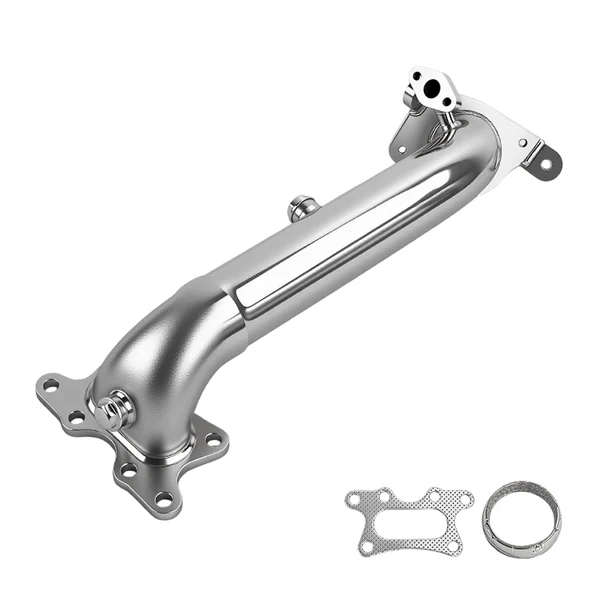
Factory downpipes usually include restrictive catalytic converters designed to reduce emissions and control exhaust noise. While these components are necessary for environmental compliance, they can also limit exhaust gas flow and create back pressure within the turbo system. A catless downpipe removes the restrictive catalytic converter section, allowing exhaust gases to move more freely through the exhaust system.
Improved exhaust flow helps turbochargers spool faster and operate more efficiently. Faster turbo spool reduces turbo lag and creates quicker throttle response during acceleration. Drivers often notice stronger mid-range power, smoother acceleration, and increased engine responsiveness after upgrading to a high-performance catless downpipe.
Stainless steel catless downpipes are especially popular because they provide excellent heat resistance, durability, and corrosion protection. High-performance exhaust systems are exposed to extremely high temperatures, especially in modified turbocharged engines. Stainless steel construction ensures the downpipe can handle these demanding conditions while maintaining long-term reliability.
The aggressive exhaust sound produced by a catless exhaust system is another reason enthusiasts choose this upgrade. Removing the restrictive catalytic converter creates a louder and deeper exhaust tone while enhancing turbo whistle and exhaust crackles. Many drivers prefer the more performance-oriented sound profile created by aftermarket turbo downpipes.
