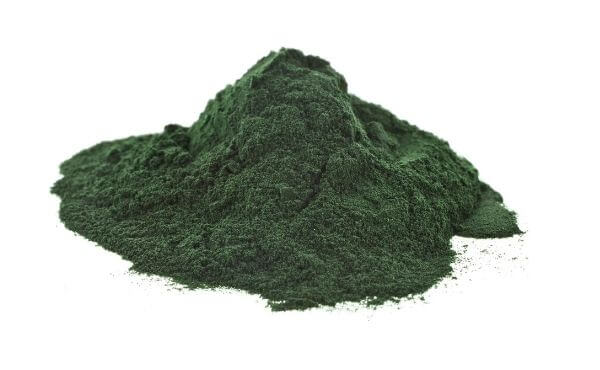
Deep green, nutrient-dense, and harvested from freshwater ponds under the sun, spirulina hardly looks like the stuff of scientific breakthrough. Yet this humble blue-green algae has earned recognition from the United Nations and World Health Organization as one of the most promising food sources of the twenty-first century . Today, as the global appetite for plant-based nutrition continues to surge, Chinese suppliers have emerged as leading sources of this ancient superfood, offering spirulina powder that travels from controlled cultivation ponds to manufacturers worldwide.
What Exactly Is Spirulina?
Spirulina is a microscopic cyanobacteria belonging to the genus Arthrospira, most commonly Arthrospira platensis, that grows in warm, alkaline freshwater environments . Despite its microscopic size, this organism packs an extraordinary nutritional punch that has sustained human populations for centuries. Historical records show spirulina was harvested from Lake Chad in Africa and consumed as a vital food source during times of scarcity, while in Mexico, the Aztecs gathered similar algae from Texcoco Lake .
When processed into powder, spirulina presents as a fine, free-flowing powder ranging from deep green to bluish-green, with a characteristic mild seaweed odour . It doesn't fully dissolve in water but rather forms a suspension—perfect for smoothies, juices, and food applications where even dispersion matters .
The Nutritional Profile That Commands Attention
What makes spirulina powder so valuable to formulators is its remarkable concentration of bioavailable nutrients. At its core, spirulina contains between 55% and 70% protein by dry weight—a figure that rivals and often exceeds traditional protein sources . A 2024 study published in the journal Nutrients confirms that this protein is complete, containing all nine essential amino acids required for human health . For manufacturers developing products aimed at vegetarians, vegans, and athletes, this makes spirulina an exceptionally attractive ingredient .
Beyond protein, the nutrient density continues. Spirulina provides significant levels of:
B-complex vitamins, including B12—a nutrient of particular concern for those following plant-based diets
Minerals including iron, calcium, magnesium, potassium, selenium, and zinc
Essential fatty acids, particularly gamma-linolenic acid (GLA), an omega-6 with anti-inflammatory properties
Pigments with purpose, including chlorophyll (the green), carotenoids (orange-yellow), and the unique phycocyanin (blue) that gives spirulina its characteristic blue-green hue
The Phycocyanin Factor
Of all the compounds spirulina contains, phycocyanin deserves special attention. This blue pigment, which can comprise up to 15% of the algae's dry weight, is a potent biliprotein with demonstrated biological activity . Research indexed by the National Institutes of Health highlights phycocyanin's antioxidant capacity—it scavenges free radicals and helps reduce oxidative stress throughout the body .
In fact, much of spirulina's reputation for immune support and anti-inflammatory effects traces directly to this compound . For manufacturers, this creates opportunities beyond basic nutrition. Spirulina extract standardized for phycocyanin content finds application in functional foods, dietary supplements, and increasingly in cosmetics, where its antioxidant properties help protect skin from environmental damage .
The Chinese Supplier Landscape
China's position in the global spirulina market reflects decades of investment in controlled cultivation and processing infrastructure. Production hubs span several provinces, each with distinct characteristics:
In Shaanxi, suppliers like Guanjie Biotech have operated for over twenty years, offering spirulina powder with protein content verified at 68.5% and comprehensive third-party testing for heavy metals, pesticides, and microbiology . Their facilities maintain ISO, Halal, Kosher, and NON-GMO certifications, with typical lead times of 1-3 working days for samples .
Shandong hosts multiple established players. Qingdao Haosail Science Co., Ltd. combines manufacturing with global distribution, offering spirulina alongside related products like phycocyanin and collagen peptides . Runxin Biotechnology brings twenty-eight years of experience to custom manufacturing, supporting white-label projects with flexible minimum order quantities and comprehensive certifications including NSF, FDA, and FSSC22000 .
Hunan suppliers emphasise the purity of their sources. Some trace their cultivation strains to programs initiated in 1994, representing some of the oldest continuously harvested spirulina cultures in the world . These facilities offer both food-grade and feed-grade options, with particle sizes typically below 125 microns .
Organic specialists like Jiuyuan Biotechnology provide USDA and EU certified organic spirulina, produced using advanced spray-drying technology that preserves heat-sensitive nutrients . Their certification package includes cGMP, ISO22000, HACCP, FSSC22000, Kosher, and Halal—reassurance for manufacturers targeting regulated markets in North America and Europe .
Quality Specifications That Matter
For procurement professionals evaluating spirulina suppliers, several specifications warrant attention:
Protein content verified by Kjeldahl determination should exceed 55%, with premium grades reaching 68-70% . Moisture should remain below 7-8% to prevent microbial growth during storage . Ash content under 8% indicates minimal mineral contamination . Particle size passing 80 mesh (approximately 177 microns) ensures good flow properties and blend uniformity .
Heavy metal testing should confirm total heavy metals below 10ppm, with individual limits for lead, arsenic, cadmium, and mercury . Microbiological specifications should verify total plate count under 10,000cfu/g, with absence of pathogens including E. coli and Salmonella .
Applications Across Categories
The versatility of spirulina powder supports multiple commercial applications:
Nutritional supplements remain the largest category. Spirulina appears in capsules, tablets, and protein powders targeting energy, immunity, and overall wellness . Its complete amino acid profile makes it particularly valuable for plant-based protein formulations .
Food and beverage applications continue to expand. Manufacturers incorporate spirulina into smoothies, juices, energy bars, dairy alternatives, and functional snacks . The natural blue-green colour, derived from phycocyanin, offers an alternative to synthetic food dyes .
Cosmetics and skincare represent a growing opportunity. Spirulina's antioxidant and detoxifying properties suit face masks, creams, and serums aimed at protecting skin from oxidative stress and promoting a healthy appearance .
Animal nutrition applications include aquaculture feed, where spirulina enhances pigmentation in fish and shrimp, and general livestock supplements .
Navigating the Supply Chain
Working with Chinese spirulina suppliers follows established patterns. Minimum order quantities typically start at 1 kilogram for sampling and R&D purposes, scaling to 25kg fibre drums for commercial production . Payment terms commonly include T/T (telegraphic transfer) with 30% deposit and 70% balance before shipment, though established partners may negotiate D/P or L/C arrangements .
Shipping options accommodate various volumes: courier services like DHL and FedEx for small orders (3-7 days), air freight for medium quantities, and sea freight (FCL/LCL) for bulk shipments . Major ports of departure include Qingdao, Shanghai, Tianjin, and Guangzhou .
Documentation packages should include Commercial Invoice, Packing List, Certificate of Analysis, and where applicable, Organic Certificates and Phytosanitary Certificates .
Storage and Stability
Proper storage preserves spirulina's quality. The powder should remain in cool, dry conditions away from direct sunlight and heat . Under optimal conditions, shelf life extends to 24 months from manufacture date .
For formulators, this means planning inventory accordingly and verifying manufacturing dates upon receipt. Suppliers who maintain transparent lot tracking and provide comprehensive Certificates of Analysis demonstrate commitment to consistency.
The Bottom Line
Spirulina's journey from ancient Aztec food source to twenty-first century superfood reflects both the resilience of traditional knowledge and the rigor of modern science. For manufacturers seeking nutrient-dense ingredients with documented benefits, Chinese suppliers offer access to this remarkable algae with the consistency, certifications, and scalability required for commercial success.
Whether destined for a protein powder in California, a skincare cream in Paris, or a functional beverage in Tokyo, properly sourced spirulina powder carries forward a nutritional legacy that has sustained humans for centuries—and promises to do so for many more to come.